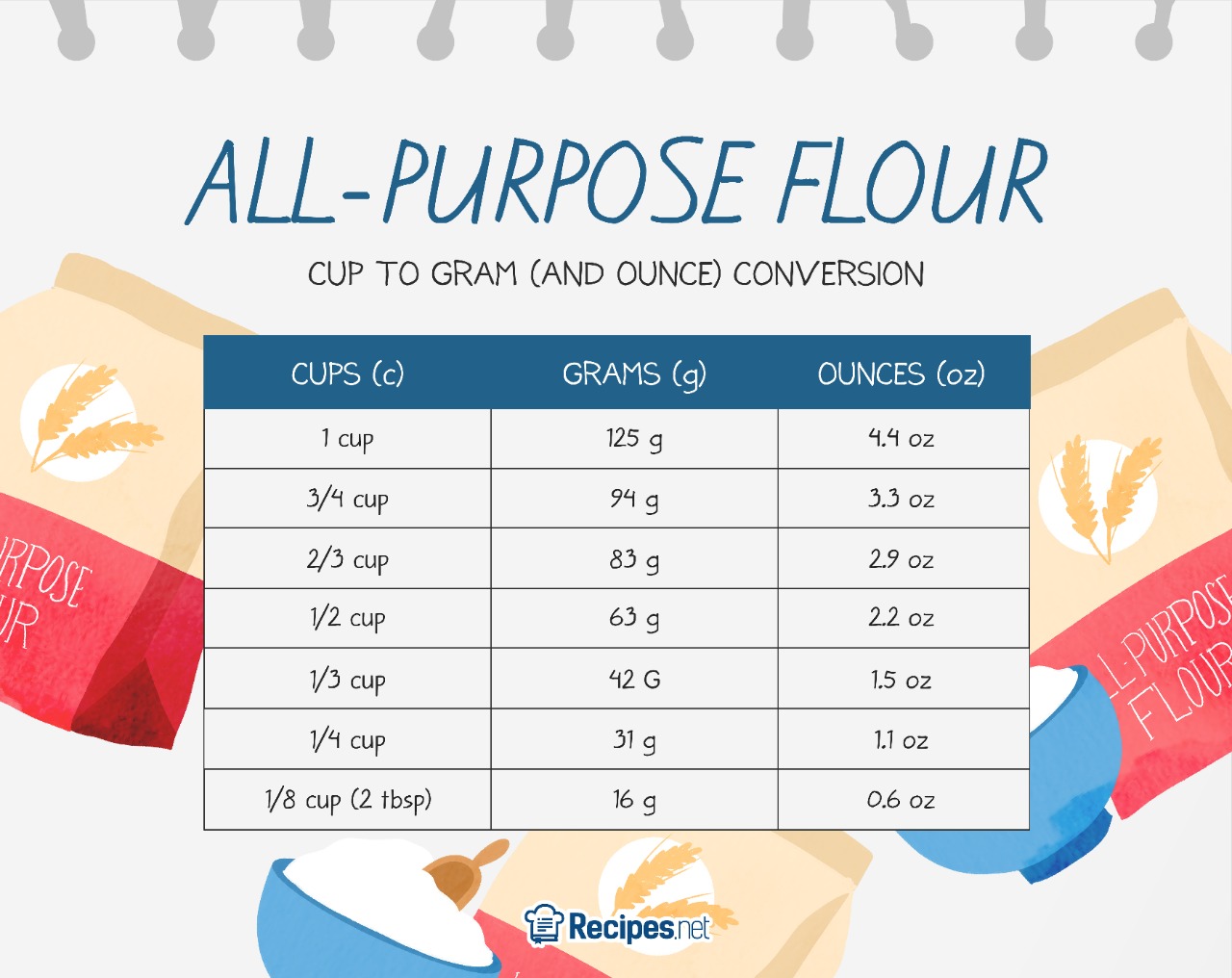
1 cup sugar to grams conversion for baking ensures precise ingredient measurements. This leads to consistent and successful results in all culinary creations.
Accurate ingredient measurement is key to consistent baking results. Converting common volume measurements, like cups of sugar, into precise gram weights ensures recipes turn out as intended, time after time.
Mastering this conversion bridges the gap between American volume-based recipes and more precise weight-based methods favored by professional bakers. The enhanced control over ingredient ratios significantly impacts the final product’s texture, rise, and overall flavor profile.
The practice of weighing ingredients has gained traction due to its inherent accuracy, reducing variability introduced by differing cup-filling techniques or ingredient packing. This shift reflects a growing appreciation for the scientific principles underlying baking.
For the home cook, understanding this conversion is incredibly practical when scaling recipes up or down, adapting international recipes, or simply ensuring consistent results with favorite recipes. It’s a simple yet powerful tool for confident baking.
Different types of sugargranulated, powdered, brownhave varying densities, meaning a cup of each will weigh differently. Ignoring these nuances can lead to discrepancies in the final product. Expert bakers always consider the specific type of sugar being used.
The following guide will provide a detailed breakdown of how to accurately convert one cup of various types of sugar into grams, empowering bakers of all levels to achieve consistently delicious results.
Granulated sugar weight
Granulated sugar weight forms the baseline for understanding volumetric conversions. This measurement serves as a pivotal reference point when converting “1 cup sugar to grams conversion for baking,” offering a consistent standard across numerous recipes.
-
Standard Conversion Value
Typically, 1 cup of granulated sugar weighs approximately 200 grams. This value is widely accepted and utilized in culinary contexts. This knowledge allows bakers to accurately scale recipes.
-
Impact of Humidity
Environmental humidity can slightly influence the weight of granulated sugar. Sugar tends to absorb moisture from the air, potentially increasing its weight. This consideration is especially relevant in humid climates, where minor adjustments might improve baking outcomes.
-
Measuring Technique
Variations in measuring techniquessuch as scooping versus spooning into a cupcan alter the weight. Scooping compacts the sugar, leading to a heavier measurement. Spooning gently fills the cup, yielding a more accurate 200-gram equivalence.
-
Recipe Precision
While minor weight variations may seem insignificant, they can affect the overall texture and sweetness of baked goods. Especially in delicate pastries or recipes requiring precise sugar ratios, understanding and controlling granulated sugar weight ensures desired results.
Considering these facets helps bakers refine their technique. By focusing on accurate measurement and being mindful of external factors, bakers can confidently utilize the “1 cup sugar to grams conversion for baking,” guaranteeing consistent and delicious outcomes.
Brown sugar variations
Brown sugar variations significantly impact the “1 cup sugar to grams conversion for baking” due to differing molasses content. Light and dark brown sugar, while both sweet, possess unique densities, directly influencing their weight per cup. Consequently, assuming a uniform gram conversion across all types of brown sugar introduces inaccuracy.
For example, a recipe calling for “1 cup sugar to grams conversion for baking” using packed light brown sugar necessitates a slightly lighter gram weight than dark brown. This difference arises because dark brown sugar contains a higher proportion of molasses, making it denser. Understanding this distinction allows for more nuanced and accurate recipe execution. Using a standardized conversion for granulated sugar in place of brown sugar would alter both the moisture and flavor profile, potentially affecting the final product’s texture and taste.
Therefore, considering the specific type of brown sugar when converting cups to grams ensures baking endeavors remain precise and consistent. While the variation may appear subtle, overlooking it could lead to unexpected results in texture and flavor. Accurate measurement, tailored to the brown sugar type, ultimately contributes to superior baking outcomes, reinforcing the importance of nuanced ingredient understanding.
Powdered sugar density
Powdered sugar density directly influences the “1 cup sugar to grams conversion for baking,” differentiating it significantly from granulated or brown sugar. Its fine, airy texture results in a lower weight per cup. Consequently, using the same conversion factor as other sugars leads to over-sweetening or textural imbalances in recipes. Powdered sugar often contains cornstarch to prevent caking, further affecting its density and, therefore, its gram weight per cup.
A classic example highlights this distinction: imagine attempting a delicate meringue or frosting. Substituting the granulated sugar’s gram equivalent for powdered sugar results in a dense, overly sweet concoction lacking the desired light and airy texture. Professionals commonly sift powdered sugar to remove clumps and further lighten its density, requiring even more careful consideration during conversion. Understanding this variance optimizes results, ensuring baked goods achieve their intended finesse.
In summary, accurately converting “1 cup sugar to grams conversion for baking” necessitates understanding the specific density of powdered sugar. It demands a precise approach, acknowledging the influence of its fine texture and added cornstarch. Mastering this distinction ensures recipes maintain proper sweetness and achieve the desired light and delicate qualities, underscoring the importance of individualized ingredient conversion.
Recipe accuracy boost
Achieving peak culinary precision often hinges on understanding “1 cup sugar to grams conversion for baking.” This seemingly simple act unlocks a world of consistency and control, elevating baking from a haphazard endeavor to a repeatable art form.
-
Consistent Sweetness Levels
By converting to grams, the sweetness remains consistent across batches, even when ingredient packing varies. Imagine the difference between a slightly under-sweet cake and one perfectly balanced accurate conversion ensures the latter. The enjoyment hinges on controlled sweetness.
-
Improved Texture Control
Sugar influences not only sweetness but also texture, from chewy cookies to delicate cakes. Gram-based measurements ensure predictable textures. This precision allows bakers to achieve desired results, enhancing the eating experience.
-
Scalability and Repeatability
Recipes can be scaled up or down without compromising the final result. Convert all ingredients to grams, maintaining ratios flawlessly. This ensures consistent quality, regardless of batch size.
-
Professional-Grade Results
Professional bakers rely on weight measurements for accuracy and consistency. Adopting this technique elevates home baking. Results mirror those of seasoned professionals, building confidence and enabling further culinary exploration.
Thus, “1 cup sugar to grams conversion for baking” directly contributes to a noticeable boost in recipe accuracy. Precise control over sweetness, texture, scalability, and overall quality transforms home baking. By embracing this conversion, one unlocks a world of consistent and professional-grade results.
Tip Metadata
- Category: Measurement Conversions
Time & Effort
- Estimated Time: 2 minutes
- Skill Level: Beginner
- Impact: Improves baking consistency and accuracy, minimizing recipe failures.
Tools or Materials Needed
- Kitchen Scale
- Measuring Cups
- Spoon (for fluffing or packing sugar)
- Conversion Chart (optional, for quick reference)
Step-by-Step Guide
- Step 1: Identify the Sugar Type Determine whether the recipe calls for granulated, brown (light or dark), or powdered sugar. Each type has a different density and conversion weight.
- Step 2: Weigh Granulated Sugar (if applicable) If using granulated sugar, gently spoon it into a measuring cup until slightly overflowing. Level off the top with a straight edge (like a knife or spatula) without packing. The resulting cup should weigh approximately 200 grams.
- Step 3: Weigh Brown Sugar (if applicable) If using brown sugar, pack it firmly into the measuring cup. The sugar should hold the shape of the cup when inverted. A cup of packed light brown sugar weighs around 210 grams, while dark brown sugar weighs approximately 220 grams.
- Step 4: Weigh Powdered Sugar (if applicable) Lightly spoon powdered sugar into the measuring cup until full, avoiding packing. Level off gently. One cup of powdered sugar weighs roughly 120 grams.
- Step 5: Use the Kitchen Scale Place a bowl on the kitchen scale and set the scale to zero (tare). Add the appropriate gram weight of sugar based on the identified type.
- Step 6: Confirm Accuracy Double-check the measurement on the scale to ensure accuracy. Small variations can impact the final outcome of the baked goods.
A common mistake is using the same gram conversion for all types of sugar. This can lead to inconsistencies in flavor and texture. Always identify the type of sugar and use the corresponding gram weight. Also, ensure the kitchen scale is properly calibrated for accurate measurements. If a kitchen scale isn’t available, prioritize packing brown sugar firmly when measuring by volume to reduce variability.
Pro Tip or Variation
For ultra-precise baking, consider sifting powdered sugar before measuring. Sifting removes clumps and lightens the density, potentially altering the gram weight slightly. Weigh the sifted sugar for the most accurate results. If a recipe specifies “unsifted” powdered sugar, measure directly from the package without sifting.
Best Practices & Expert Tips
- Tare the Scale Ensure the scale displays zero with the measuring bowl on it before adding sugar. This eliminates errors from bowl weight, guaranteeing accurate sugar measurement.
- Spoon and Level Granulated Sugar Gently spoon granulated sugar into the measuring cup and level off the top with a straight edge. Avoid scooping directly from the container, as this compacts the sugar, leading to inaccurate measurements.
- Pack Brown Sugar Firmly When measuring brown sugar, pack it firmly into the measuring cup until it holds its shape when inverted. Under-packing introduces inconsistencies in density and sweetness.
- Use a Digital Scale A digital scale provides more precise readings compared to an analog scale, reducing measurement variability. This enhances repeatability in baking.
- Consider Humidity In humid climates, sugar can absorb moisture, affecting its weight. Weigh sugar closer to the time of use or store sugar in an airtight container with a desiccant.
Variations & Common Mistakes
- Liquid Sweeteners as Substitutes Liquid sweeteners like honey or maple syrup are not direct substitutes for granulated sugar. Adjust liquid ingredients and baking time accordingly to account for the added moisture.
- Sugar Alcohols for Reduced Sugar Sugar alcohols can replace sugar in some recipes, but they may not brown or caramelize the same way. Research appropriate ratios and expected textural changes.
- Incorrect Packing of Brown Sugar Failure to pack brown sugar firmly results in under-measurement. This can lead to a drier or less sweet end product.
- Over-Mixing After Sugar Addition Over-mixing after adding sugar develops gluten in flour, resulting in a tougher texture. Mix only until just combined.
- Ignoring Sugar Type Assuming all sugar has the same density causes errors in the recipe. Determine the sugar type needed.
Elevate Your Baking
Mastering the “1 cup sugar to grams conversion for baking” truly unlocks a new level of precision in your kitchen. This simple technique empowers you to achieve consistent, predictable, and delectable results every time you bake.
Whether you’re whipping up a batch of cookies, crafting a decadent cake, or experimenting with new recipes, this conversion adapts effortlessly. It bridges the gap between volume and weight, allowing you to confidently tackle any recipe, regardless of its origin or measurement system.
We encourage you to put this technique to the test in your next baking adventure. Experiment with different types of sugar, discover your preferred method, and share your insights with fellow bakers. Your experiences and tips can help others on their culinary journeys!
So go ahead, embrace the power of precise measurement. Happy cooking, and may your time in the kitchen always be filled with joy, creativity, and delicious creations!
Images References :
Image used for illustration purposes only. All rights belong to their respective owners.


