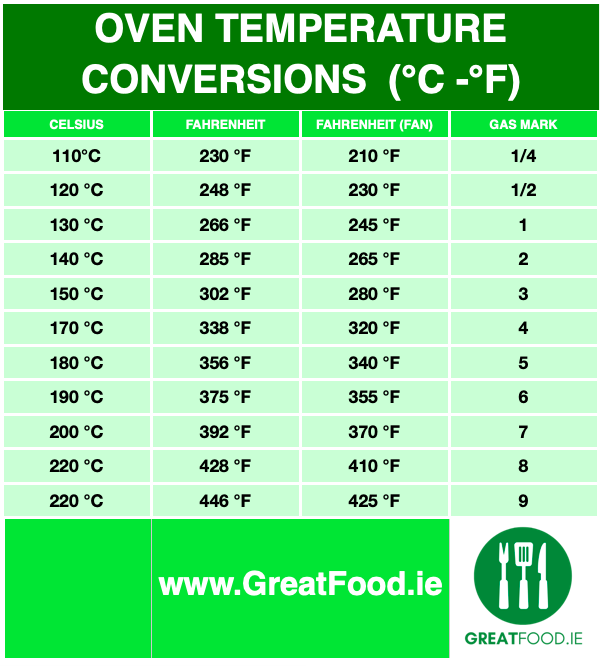
160 degrees c to f oven temperature conversion ensures perfectly cooked dishes. Accurate temperature settings are vital for baking and roasting success.
Achieving culinary excellence often hinges on precision, especially when it comes to oven temperatures. Converting between Celsius and Fahrenheit is crucial for adapting recipes from different sources and ensuring consistent results.
Accurate temperature control directly influences the chemical reactions that occur during cooking. Precise settings contribute to better texture and flavor development in baked goods and prevent meats from drying out.
The practice of using temperature scales to control cooking dates back centuries, evolving from wood-fired ovens to modern electric and gas appliances. Standardized temperature conversions have become essential as recipes are shared globally.
Home cooks frequently encounter the need for temperature conversions when using recipes from international cookbooks or online sources. Understanding the equivalent Fahrenheit setting for a Celsius temperature is a practical skill for any kitchen.
While a simple conversion formula exists, some ovens may have slight temperature variations. Using an oven thermometer to verify accuracy is always recommended. Expert chefs often adjust cooking times based on visual cues and experience, regardless of the temperature setting.
The following guide provides a detailed explanation of how to perform this crucial conversion, along with helpful tips to ensure your oven temperature is accurate for perfectly cooked meals.
Accurate Conversion
When translating a recipe that calls for 160 degrees Celsius into its Fahrenheit equivalent, accuracy becomes paramount. The difference of even a few degrees can impact the outcome of many dishes.
-
The Formula’s Importance
The conversion from Celsius to Fahrenheit relies on a specific formula: (C 9/5) + 32 = F. Applying this formula accurately to 160C results in 320F. This precision is vital, particularly in baking, where temperature directly affects rising, browning, and overall texture. The accurate application of the formula ensures the recipe is followed correctly.
-
Oven Calibration
While the formula provides a theoretical conversion, ovens themselves can vary. An oven set to 320F might not actually be at that exact temperature. Therefore, using an oven thermometer to verify the internal temperature is crucial for accurate cooking. Adjustments can then be made to the oven setting to align with the intended temperature, ensuring the food cooks as expected.
-
Recipe Sensitivity
Some recipes are more temperature-sensitive than others. For example, delicate pastries or souffls require precise temperature control to achieve the desired result. Slight deviations from the ideal temperature can lead to failure. Other recipes, such as slow-roasted meats, may be more forgiving. Understanding a recipe’s sensitivity helps determine the level of accuracy needed in the conversion process.
-
Common Conversion Errors
Common errors often stem from rounding off numbers or misapplying the conversion formula. While rounding may seem insignificant, even a few degrees difference can affect the outcome. Always double-check the calculation and, if possible, use online conversion tools or charts to minimize errors. Avoiding these pitfalls increases the likelihood of a successful culinary experience.
The careful application of the Celsius-to-Fahrenheit conversion, combined with awareness of oven performance and recipe sensitivity, ensures that setting an oven to the Fahrenheit equivalent of 160 degrees Celsius yields reliable and delicious results, taking guesswork out of the process.
Baking consistency
Baking consistency flourishes when the oven reliably maintains the correct temperature, and this stability is directly tied to understanding the “160 degrees c to f oven temperature conversion.” Without accurate temperature control, even the most meticulously measured ingredients will not produce uniform results. A cake recipe, for instance, might call for a gentle bake at the Fahrenheit equivalent of 160 degrees Celsius. If the oven fluctuates significantly, one cake might be perfectly moist while another is dry and cracked, highlighting the critical relationship between stable temperature and predictable outcomes.
The importance of baking consistency extends beyond aesthetics. Consistent results allow for repeatable success, enabling bakers to fine-tune recipes and techniques. Professional bakeries rely on tightly controlled environments to ensure each batch meets exacting standards. Even in a home kitchen, mastering temperature control allows for more reliable results, whether producing delicate macarons or hearty loaves of bread. Consistent results build confidence and reduce waste, proving the value of understanding and applying accurate temperature conversions.
Achieving baking consistency requires careful attention to detail, including accurate temperature conversion and oven calibration. While ovens may vary in their performance, understanding how to achieve and maintain the intended temperature is essential for delivering baked goods with consistent texture, flavor, and appearance. Ultimately, the understanding and effective application of Celsius-to-Fahrenheit conversions, like accurately setting an oven to the Fahrenheit equivalent of 160 degrees Celsius, become fundamental to predictable and delightful baking outcomes.
Culinary precision
Culinary precision, at its heart, involves a commitment to accuracy and detail in every step of the cooking process. This quest for precision extends directly to understanding and implementing correct oven temperatures, where knowing the “160 degrees c to f oven temperature conversion” becomes more than just a numberit becomes a gateway to consistent and reproducible results.
-
Reproducible Recipes
Accurate temperature conversions empower chefs and home cooks to recreate dishes with unwavering consistency. When a recipe from a European source calls for baking at 160 degrees Celsius, confidently converting this to its Fahrenheit equivalent ensures the final product mirrors the intended outcome, regardless of location or kitchen setup.
-
Controlled Chemical Reactions
Cooking, especially baking, is essentially applied chemistry. Temperature directly impacts the speed and nature of chemical reactions, such as protein coagulation, sugar caramelization, and starch gelatinization. Knowing the precise Fahrenheit equivalent of 160 degrees Celsius allows for carefully controlled reactions, essential for achieving the desired texture, color, and flavor in finished dishes. For example, without that precise temperature, a custardy dessert can lack that precise quality.
-
Flavor Optimization
Temperature plays a critical role in flavor development. For instance, roasting vegetables at the correct temperature encourages Maillard reactiona chemical process that enhances savory flavors and aromas. Converting Celsius temperatures accurately helps maximize these flavor transformations, leading to more complex and satisfying culinary experiences. Thus the understanding is key for roasting and the conversion to the right Fahrenheit temperatures.
-
Avoiding Common Pitfalls
Many culinary mishaps stem from imprecise temperature control. Underbaking can result in soggy textures, while overheating can lead to dryness or burning. A thorough understanding of Celsius-to-Fahrenheit conversions, along with the knowledge of oven calibration, helps avoid such pitfalls. This minimizes waste and ensures the best possible outcome for every meal.
The intersection of culinary precision and “160 degrees c to f oven temperature conversion” highlights the importance of accuracy in the kitchen. By mastering temperature conversions and understanding their impact on cooking processes, culinary enthusiasts can elevate their skills and create consistently delicious and visually appealing dishes. This approach promotes both creativity and repeatability in culinary endeavors.
Tip Metadata
- Category: Measurement Conversions
Time & Effort
- Estimated Time: 2 minutes
- Skill Level: Beginner
- Impact: Ensures accurate oven temperature for consistent cooking results.
Tools or Materials Needed
- Calculator (optional, but helpful)
- Oven thermometer (recommended for verification)
Step-by-Step Guide
- Step 1: Recall the Conversion Formula The foundational formula to convert Celsius to Fahrenheit is: (C 9/5) + 32 = F. This is the starting point for determining the Fahrenheit equivalent.
- Step 2: Apply the Formula Substitute 160 degrees Celsius into the formula: (160 9/5) + 32 = F. Perform the calculation in the correct order of operations.
- Step 3: Calculate the Result First, multiply 160 by 9/5: 160 * (9/5) = 288. Then, add 32 to the result: 288 + 32 = 320. Therefore, 160 degrees Celsius is equivalent to 320 degrees Fahrenheit.
- Step 4: Verify Oven Temperature Set the oven to 320 degrees Fahrenheit. Place an oven thermometer inside to verify the oven’s actual temperature. Allow the oven to preheat fully and monitor the thermometer. Adjust the oven setting if necessary to reach the desired 320 degrees Fahrenheit.
It’s crucial to remember that ovens can have variations in their internal temperatures. Even if the oven is set to 320 degrees Fahrenheit, the actual temperature inside may differ. Using an oven thermometer is highly recommended to ensure accuracy. Common mistakes include rounding off the result too early or misapplying the conversion formula. Always double-check the calculation. Variations may involve using online conversion tools or charts for quick reference.
Pro Tip or Variation
For ovens without precise temperature controls, observe visual cues like the browning rate of baked goods or the internal temperature of roasted meats. Adjust cooking times accordingly to compensate for temperature discrepancies. Also, if your oven consistently runs hot or cold, make a mental note of the offset and adjust your temperature settings accordingly for all future baking.
Best Practices & Expert Tips
- Use an Oven Thermometer Accurately measure the internal oven temperature, as dial settings can be unreliable. Place the thermometer centrally within the oven for an accurate reading.
- Allow Sufficient Preheating Ensure the oven is fully preheated to the target temperature (320F) before placing food inside. Insufficient preheating can lead to uneven cooking.
- Calibrate Your Oven Regularly calibrate the oven to ensure it matches the set temperature. Some ovens may require professional calibration for optimal accuracy.
- Minimize Door Opening Limit opening the oven door during cooking, as each opening causes heat loss and temperature fluctuations. Monitor progress through the oven window.
- Consider Rack Position Adjust the rack position based on the food being cooked. Center rack is generally suitable for most baking, while lower racks are better for browning the bottom.
Variations & Common Mistakes
- Convection Conversion Reduce temperature by approximately 25F when using a convection oven setting. Convection ovens cook faster and more evenly at lower temperatures.
- Altitude Adjustments Adjust cooking times or temperatures at high altitudes due to lower air pressure. Recipes may require longer cooking times or slightly reduced temperatures.
- Rounding Imprecisely Avoid rounding the Fahrenheit equivalent of 160C (320F) excessively. Even slight rounding errors can impact baking consistency.
- Ignoring Oven Cycles Recognize that ovens cycle on and off to maintain temperature. The thermometer reading will fluctuate slightly, representing the natural oven cycle.
- Overcrowding the Oven Avoid overcrowding the oven, as this restricts airflow and leads to uneven cooking. Bake in batches if necessary.
Why This Tip Matters
Mastering the “160 degrees c to f oven temperature conversion” is a small detail that makes a big difference in your cooking. It’s the key to unlocking consistent results, no matter the recipe source.
This simple conversion is surprisingly versatile! Whether you’re baking delicate pastries, roasting hearty vegetables, or slow-cooking flavorful meats, knowing the correct temperature will elevate every dish you create. It empowers you to explore recipes from around the world with confidence.
Now it’s your turn! Give this conversion a try in your next culinary adventure. Experiment with different recipes, and don’t hesitate to share your own baking secrets and tips. Your insights could help others discover the joy of precise cooking!
Happy cooking! May your kitchen be filled with delicious aromas and delightful creations!
Images References :
Image used for illustration purposes only. All rights belong to their respective owners.


