Egg substitute for cake mix without changing texture ensures delightful results. This guide helps you maintain the perfect cake consistency, even without eggs.
Achieving the ideal cake texture when omitting eggs can be a challenge. The right egg substitute allows bakers to create delicious, moist cakes that closely mimic traditional recipes.
Mastering this technique unlocks baking possibilities for those with allergies, dietary restrictions, or simply a shortage of eggs. This knowledge boosts confidence in the kitchen, leading to consistent and satisfying results.
The quest for effective egg substitutes dates back centuries, with cooks experimenting with various ingredients to achieve desired textures. Modern approaches leverage scientific understanding of gluten development and moisture retention to replicate eggs’ binding properties.
For the everyday home cook, this tip is invaluable. Whether dealing with egg allergies in the family or unexpected ingredient shortages, knowing reliable substitutes ensures cake baking remains accessible and enjoyable.
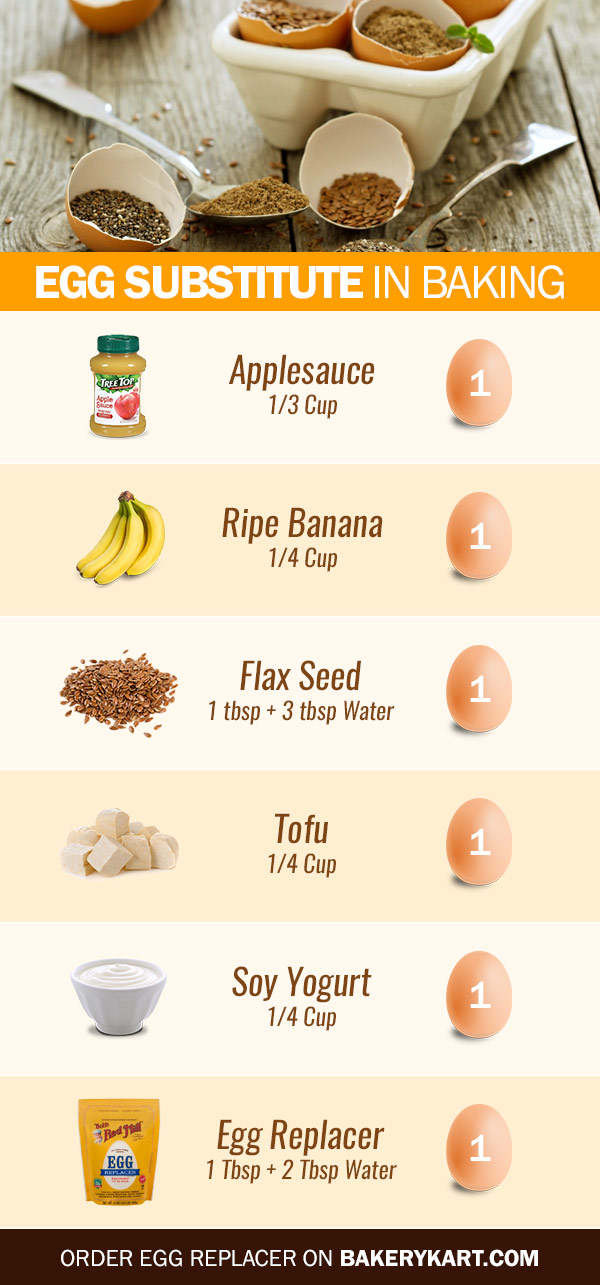
Variations abound, from using applesauce or mashed bananas to commercially available egg replacers. A common misconception is that all substitutes are created equal, but selecting the right one for each recipe is key.
Lets explore the science and practical application of various egg substitutes in cake mixes, providing a comprehensive guide to successful egg-free baking. With this knowledge, anyone can enjoy fluffy, flavorful cakes without compromise.
Moisture retention
Moisture retention plays a pivotal role in ensuring that an egg substitute for cake mix delivers a final product with the expected texture. Eggs contribute essential moisture to the batter, which, during baking, creates steam, aiding in the cake’s rise and creating a tender crumb. When eggs are absent, the chosen substitute must effectively replicate this moisture content; otherwise, the resulting cake can be dry, dense, or crumbly. Examples include using unsweetened applesauce or mashed banana, both known for their high water content. These substitutes contribute significant moisture, helping to maintain a similar texture to cakes made with eggs.
Different egg substitutes influence moisture retention in varying degrees. Some substitutes, like flaxseed meal mixed with water, primarily focus on binding and may not provide significant additional moisture. Others, such as yogurt or buttermilk, contribute both moisture and a slight tang, which can enhance the cake’s flavor profile. The selection of an appropriate substitute hinges on understanding its inherent moisture properties and adjusting other liquid ingredients in the recipe accordingly. For instance, if using a particularly moist substitute, it may be necessary to slightly reduce the amount of milk or water specified in the original recipe.
In conclusion, optimizing moisture retention is paramount when using egg substitutes in cake mixes to achieve a similar texture to traditional recipes. By carefully selecting substitutes known for their moisture content and adjusting the recipe to compensate for any variations, home bakers can successfully create delicious, moist cakes that retain the pleasant mouthfeel expected. Overcoming this aspect of baking allows anyone to enjoy cake with satisfying results, even without eggs.
Binding ability
The binding ability of an egg substitute is paramount when aiming for a cake that mimics the texture of its egg-containing counterpart. Eggs act as a natural glue, holding the cake’s structure together, preventing it from crumbling and ensuring it maintains its shape upon baking. The chosen substitute must effectively replicate this adhesive function to achieve a cohesive and appealing final product.
Consider the role of gluten in cake structure. While gluten provides elasticity, it needs support to prevent the cake from becoming too dense or collapsing. Egg substitutes, such as flaxseed meal mixed with water or pureed fruits, offer the necessary binding properties to complement the gluten network. Flaxseed meal, for instance, creates a gel-like consistency when combined with water, emulating the stickiness of eggs and aiding in structural stability. Similarly, mashed bananas contribute pectin, which acts as a binding agent while also imparting moisture and sweetness.
Ultimately, a successful egg substitute balances binding ability with other essential factors like moisture content and flavor neutrality. Mastering this balance leads to cakes that not only hold together beautifully but also retain the desired tender crumb and overall palatability. Understanding the nuances of various binding agents empowers bakers to create egg-free cakes that are virtually indistinguishable from traditional recipes, offering a delightful experience for everyone.
Flavor neutrality
Flavor neutrality stands as a cornerstone when selecting an egg substitute to maintain the original character of a cake mix. The aim is to replace the egg’s binding and moisturizing properties without introducing unwanted tastes that would mask or clash with the cake’s intended flavor profile. Introducing new flavors inadvertently transforms the recipe, potentially detracting from its original appeal. Imagine substituting eggs with a strongly flavored ingredient; the resulting cake might bear little resemblance to the expected taste.
The interplay between flavor neutrality and the desired outcome hinges on choosing substitutes that provide functional benefits without altering the inherent taste. Applesauce, for instance, brings moisture and subtle sweetness, but its mild flavor generally complements, rather than overpowers, most cake recipes. Similarly, unflavored yogurt can add moisture and tenderness without significantly impacting the overall taste. Commercial egg replacers often prioritize flavor neutrality, formulated to seamlessly integrate without leaving a trace. Careful consideration of these nuances is essential to preserve the cake’s fundamental flavors.
Ultimately, achieving flavor neutrality in egg-free baking is a balancing act. The challenge lies in finding substitutes that fulfill their structural role without compromising the original taste. Successfully navigating this challenge allows bakers to create cakes that are indistinguishable in flavor from their egg-containing counterparts, ensuring a delightful and consistent baking experience.
Structural integrity
Structural integrity is intrinsically linked to finding an effective egg substitute for cake mix. The primary goal is to create a cake that retains its form, rises adequately, and possesses a pleasing crumb structure, akin to one made with eggs. Eggs contribute significantly to the cake’s framework, providing the necessary support to prevent collapse during and after baking. An ideal substitute steps in to shoulder this responsibility, ensuring the cake remains visually appealing and texturally satisfying. For example, a cake made without a suitable substitute may sink in the middle or crumble easily.
Several factors influence structural integrity, including the choice of substitute and its interaction with other ingredients. Gluten development, moisture levels, and the presence of leavening agents all play crucial roles. A substitute that binds ingredients effectively and contributes to a stable emulsion is essential for achieving the desired outcome. Consider the use of aquafaba, the liquid from canned chickpeas, as a substitute; its ability to whip into a meringue-like foam provides structural support and light texture to cakes.
Ultimately, understanding and optimizing structural integrity is paramount for successful egg-free baking. By carefully selecting egg substitutes and adjusting recipes accordingly, achieving a cake with excellent structure, texture, and overall appeal is within reach. The commitment to understand and meet this requirement will lead to baked goods that are nearly indistinguishable from their traditional counterparts, ensuring a pleasurable experience for all who partake.
Tip Metadata
- Category: Ingredient Substitutions
Time & Effort
- Estimated Time: 5 minutes
- Skill Level: Beginner
- Impact: Maintains cake texture and flavor while accommodating dietary restrictions.
Tools or Materials Needed
- Measuring cups and spoons
- Mixing bowl
- Selected egg substitute (e.g., applesauce, flaxseed meal)
Step-by-Step Guide
- Step 1: Select an Appropriate Substitute Choose an egg substitute based on desired texture and flavor profile. Common options include unsweetened applesauce, mashed banana, flaxseed meal mixed with water, or commercially available egg replacer.
- Step 2: Measure the Correct Amount Accurately measure the substitute according to the recipe’s egg quantity. Generally, 1/4 cup of applesauce or mashed banana replaces one egg. For flaxseed meal, mix 1 tablespoon of flaxseed meal with 3 tablespoons of water and let sit for 5 minutes to thicken before using.
- Step 3: Incorporate into Cake Mix Gently fold the chosen egg substitute into the cake mix, ensuring even distribution. Avoid overmixing, as this can lead to a dense cake. Follow the remaining baking instructions on the cake mix packaging.
Common mistakes include using sweetened applesauce, which can make the cake overly sweet, or neglecting to let the flaxseed mixture thicken, resulting in poor binding. For richer cakes, consider using pureed silken tofu or full-fat yogurt as an egg substitute.
Pro Tip or Variation
For a more neutral flavor, combine equal parts applesauce and plain yogurt as an egg substitute. This balances moisture and binding while minimizing flavor impact.
Best Practices & Expert Tips
- Choose the Right Substitute Understand each substitute’s properties to align with the desired cake texture (e.g., applesauce for moisture, flaxseed for binding).
- Adjust Liquid Ratio Reduce other liquids in the recipe if using a moisture-rich substitute to prevent a soggy cake.
- Emulsify Thoroughly Ensure the substitute is fully incorporated into the batter to avoid lumps or uneven texture.
- Use Room Temperature Ingredients Room temperature ingredients emulsify better, creating a smoother, more consistent batter.
- Don’t Overmix the Batter Overmixing develops gluten, leading to a tough cake. Mix until just combined.
Variations & Common Mistakes
- Applesauce for Moisture Use unsweetened applesauce as a 1:1 replacement for eggs to add moisture, but be aware of a slight flavor alteration.
- Flaxseed Meal for Binding Mix 1 tbsp flaxseed meal with 3 tbsp water, let sit for 5 minutes, and use as an egg replacement for binding in denser cakes.
- Overusing Strong Flavors Avoid using substitutes with overpowering flavors, such as overly ripe bananas, which can dominate the cake’s taste.
- Incorrect Measurement Inaccurate measurements of the egg substitute can lead to texture imbalances, resulting in a cake that is too dry or too gummy.
- Neglecting Binding Agents For recipes that heavily rely on eggs for structure, ensure your substitute provides enough binding, or the cake may crumble.
Why This Tip Matters
Mastering the art of using egg substitutes in cake mixes opens a world of possibilities, ensuring that dietary restrictions or ingredient shortages never stand between you and a delicious homemade cake.
Whether you’re catering to allergies, embracing vegan baking, or simply running low on eggs, this adaptable technique empowers you to create consistently delightful treats. Its simplicity and effectiveness make it a valuable asset in any kitchen, regardless of your cooking expertise.
Now it’s your turn! Experiment with different egg substitutes, tweak recipes to your liking, and discover the joy of creating egg-free cakes that taste just as good as the traditional version. Share your own tips and tricks in the comments belowwe’d love to hear about your baking adventures!
Happy cooking!
Images References :
Image used for illustration purposes only. All rights belong to their respective owners.


