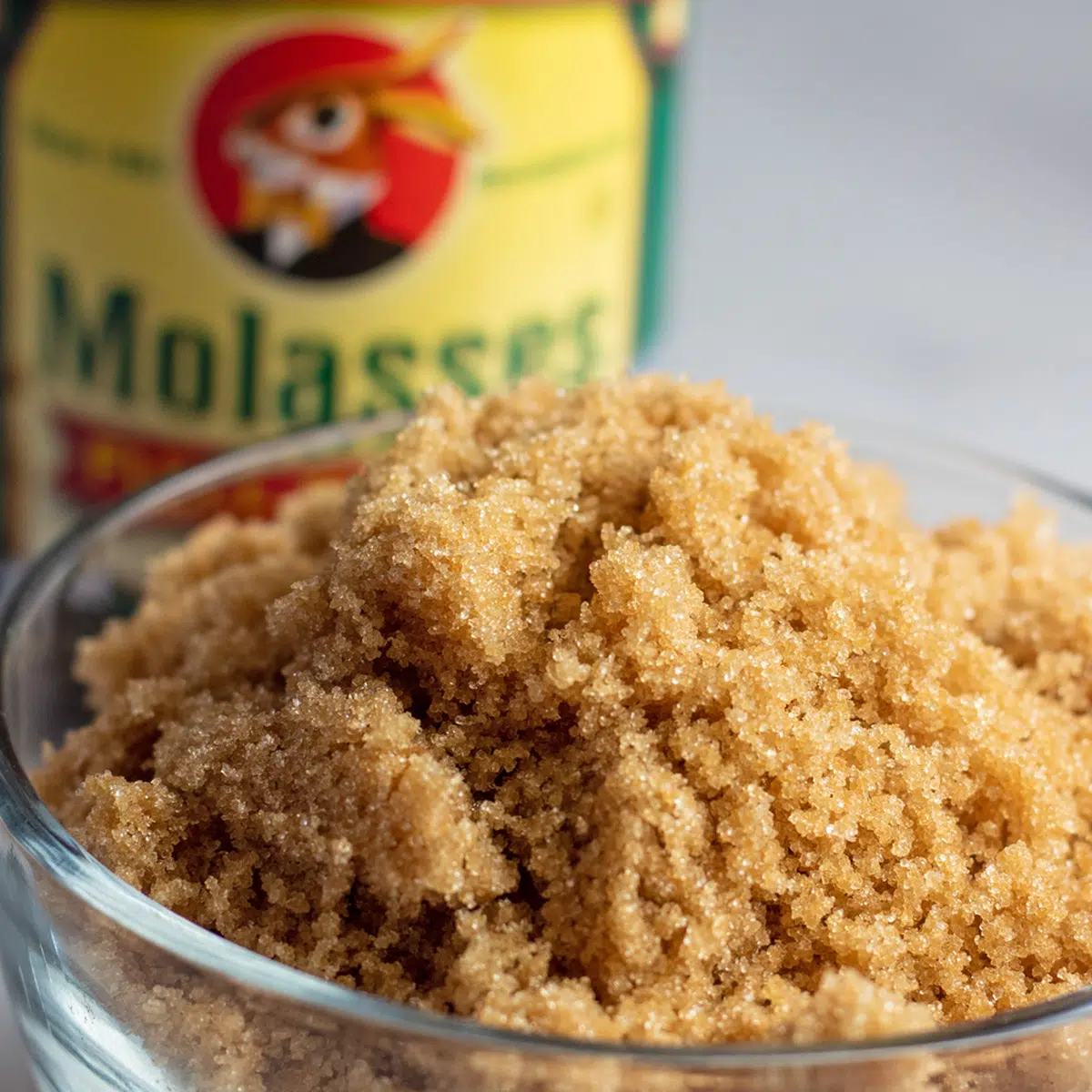
Molasses for brown sugar substitute baking swaps: A simple kitchen hack unlocks rich flavors and textures, offering a convenient solution for baking enthusiasts.
Baking often calls for brown sugar, yet a missing ingredient doesn’t have to halt culinary creativity. A readily available pantry staple can step in as a substitute, maintaining the intended depth and moistness of the baked good.
The combination of granulated sugar and molasses creates a suitable alternative, offering similar characteristics to its commercially produced counterpart. This substitution not only circumvents the inconvenience of a missing ingredient but also allows for adjusting the intensity of brown sugar flavor.
The practice of using molasses in baking dates back centuries, owing to its role as a byproduct of sugar production. Its rich, dark color and distinctive flavor contribute unique qualities to treats such as gingerbread and spice cakes. Adjusting the amount of molasses allows a baker to mimic light or dark brown sugar.
This technique proves particularly useful for home cooks seeking flexibility and control over their recipes. It is an easy solution for achieving the desired flavor profile in cookies, cakes, and sauces, even when traditional brown sugar isn’t on hand.
While the standard ratio is generally one tablespoon of molasses per cup of granulated sugar for light brown sugar, and two tablespoons for dark brown sugar, individual preferences may vary. Some bakers even warm the molasses slightly for easier incorporation.
Mastering this simple swap equips bakers with a resourceful technique, ensuring delicious outcomes regardless of ingredient limitations. Read on to explore the nuances of this substitution and discover how it can elevate a range of baked creations.
Flavor depth
The flavor profile imparted by molasses profoundly influences the overall taste of baked goods when used as a brown sugar substitute. Molasses contributes a unique blend of caramel, toffee, and subtle smoky notes, which enhances the complexity of flavors compared to using only white sugar. This added dimension is particularly noticeable in recipes where brown sugar plays a central role, such as gingerbread, oatmeal cookies, or spice cakes.
The specific type of molasses chosen further shapes the resultant flavor depth. Light molasses introduces a delicate sweetness with mild undertones, making it suitable for recipes where a subtle brown sugar taste is desired. Dark molasses, on the other hand, offers a more robust and intense flavor, lending a deeper, richer profile to heartier baked goods. Blackstrap molasses, the most concentrated form, delivers a bold and somewhat bitter edge, best suited for recipes that can withstand its strong character, such as certain types of bread or savory applications.
By understanding the nuanced flavors each type of molasses brings, bakers can precisely tailor the flavor depth of their creations when using molasses as a brown sugar alternative. This understanding allows for a customization that meets the individual needs and preferences, adding layers of taste that elevate the final product. This is important when the goal is baking perfection.
Moisture retention
Moisture retention is a cornerstone of successful baking, and molasses, as a substitute for brown sugar, plays a vital role in achieving delightfully moist textures in your favorite treats.
-
Hygroscopic Properties
Molasses is hygroscopic, meaning it readily absorbs and retains moisture from the surrounding environment. This characteristic helps keep baked goods softer and more pliable for a longer period, preventing them from drying out quickly. In cookies, for instance, molasses ensures a chewier texture; in cakes, it contributes to a more tender crumb.
-
Sugar Structure Interaction
When molasses is combined with granulated sugar to mimic brown sugar, it modifies the crystallization process during baking. Molasses interferes with the formation of large sugar crystals, resulting in a finer, more evenly distributed network of moisture throughout the baked product. This contributes to a uniformly moist texture from the center to the edges.
-
Acidic Influence on Gluten
Molasses is slightly acidic, and this acidity affects the gluten development in wheat-based recipes. By tenderizing the gluten strands, molasses helps prevent baked goods from becoming tough or overly chewy. This is especially beneficial in cakes and muffins, where a delicate crumb is desired, allowing them to maintain a pleasingly soft texture.
-
Impact on Shelf Life
Due to its moisture-retaining properties, molasses extends the shelf life of baked goods. By keeping them moist, it reduces the likelihood of staleness, allowing them to remain enjoyable for several days. This makes molasses an invaluable ingredient in baked treats intended for gifting or prolonged enjoyment.
The multifaceted influence of molasses on moisture retention underscores its significance as a brown sugar substitute. It not only imparts a distinctive flavor but also ensures a tender, long-lasting moistness that elevates the overall baking experience, making every bite a delight.
Color control
Color control emerges as a vital element when employing molasses as a stand-in for brown sugar in baking endeavors. The hue imparted by molasses profoundly influences the visual appeal of the finished product, directly correlating to its perceived richness and flavor depth. The darker the molasses, the deeper the color it lends; a characteristic especially noticeable in cookies, breads, and cakes. This directly affects how consumers perceive the finished product.
Utilizing light molasses yields a gentle golden tint, akin to that achieved with light brown sugar, making it ideal for baked goods where a delicate appearance is desired. Conversely, dark or blackstrap molasses imparts a deeper, more pronounced color, mimicking the visual intensity of dark brown sugar. The amount of molasses added also allows for subtle adjustments; a baker might use less molasses to attain a lighter shade or increase it for a bolder, more caramelized look. For example, a batch of chocolate chip cookies might benefit from a touch of dark molasses for a richer visual contrast, while snickerdoodles might call for a lighter touch to maintain their signature pale hue.
In essence, mastering color control through strategic use of molasses empowers bakers to not only replicate the flavor of brown sugar but also to fine-tune the aesthetic qualities of their creations. The conscious adjustment of molasses levels becomes an artistic tool, enabling the creation of visually stunning and equally delicious baked goods. Success in this domain hinges on a keen awareness of the molasses variety and its proportional relationship to the other ingredients.
Sweetness adjustment
The strategic adjustment of sweetness stands as a pivotal element when employing molasses as a substitute for brown sugar in baking. Molasses, beyond its characteristic flavor and color, contributes a unique level of sweetness that interacts distinctively with other ingredients in a recipe. Understanding how to manipulate this sweetness is vital for achieving balanced and delectable results. The inherent sweetness in molasses is less intense than that of refined white sugar, necessitating careful consideration of proportions to replicate the desired level of sweetness found in recipes calling for brown sugar.
For instance, when a recipe demands the mellow sweetness of light brown sugar, a baker might combine a smaller quantity of molasses with granulated sugar, ensuring the final product isn’t excessively sweet. Conversely, replicating the richer, more pronounced sweetness of dark brown sugar requires a greater proportion of molasses. Moreover, the type of molasseslight, dark, or blackstrapfurther influences the level of sweetness. Blackstrap molasses, with its slight bitterness, adds a complex sweetness, demanding a cautious approach to avoid overpowering other flavors. Experimentation and taste-testing become invaluable tools in refining the sweetness profile, allowing bakers to customize their creations to match personal preferences.
In summary, mastering sweetness adjustment is indispensable when utilizing molasses in place of brown sugar. Careful consideration of the amount and type of molasses, alongside diligent taste-testing, empowers bakers to fine-tune the sweetness levels, resulting in baked goods that are not only flavorful and visually appealing but also perfectly balanced in their sweet notes. This thoughtful approach ensures a delightful and satisfying culinary experience.
Tip Metadata
- Category: Ingredient Substitutions
Time & Effort
- Estimated Time: 2 minutes
- Skill Level: Beginner
- Impact: Provides a convenient and readily available alternative to brown sugar, ensuring consistent baking results.
Tools or Materials Needed
- Granulated sugar
- Molasses (light, dark, or blackstrap)
- Measuring spoons
- Mixing bowl (optional)
Step-by-Step Guide
- Step 1: Select Molasses Type Choose the molasses based on the desired brown sugar intensity. Light molasses mimics light brown sugar; dark molasses replicates dark brown sugar. Blackstrap molasses offers the most intense flavor.
- Step 2: Measure Granulated Sugar Measure the required amount of granulated sugar as indicated in the recipe in place of the brown sugar.
- Step 3: Measure Molasses For light brown sugar, use 1 tablespoon of molasses per 1 cup of granulated sugar. For dark brown sugar, use 2 tablespoons of molasses per 1 cup of granulated sugar.
- Step 4: Combine and Mix In a bowl, combine the granulated sugar and molasses. Mix thoroughly until the molasses is evenly distributed, and the mixture resembles moist sand. A fork or your fingertips can be used for effective mixing.
- Step 5: Use Immediately or Store Use the molasses-sugar mixture immediately in the recipe as called for brown sugar. Alternatively, store it in an airtight container to prevent clumping. If clumps form, break them up with a fork before use.
Common mistakes include uneven mixing, resulting in inconsistent flavor distribution. Ensure the molasses is fully incorporated into the sugar. Variations include warming the molasses slightly for easier mixing, especially with thicker varieties like blackstrap. Expert insight suggests adjusting the amount of molasses slightly based on individual flavor preferences and the specific recipe requirements.
Pro Tip or Variation
For a richer, more complex flavor, try using a combination of dark and blackstrap molasses in small amounts. Start with a tiny amount of blackstrap and increase until the flavor profile is according to your taste.
Best Practices & Expert Tips
- Even Molasses Distribution Ensure molasses is thoroughly mixed with granulated sugar to prevent pockets of intense flavor or sweetness in the final product.
- Molasses Type Selection Choose the appropriate type of molasses (light, dark, or blackstrap) based on the desired flavor intensity and color depth for the baked goods.
- Accurate Measurement Crucial Employ precise measurements of both sugar and molasses to maintain the intended sweetness level and moisture content in the recipe.
- Freshness Matters Use fresh, high-quality molasses for the best flavor and texture, as older molasses can develop off-flavors or thicken excessively.
- Adjust for Recipe Moisture Consider reducing other liquid ingredients slightly to compensate for the moisture added by the molasses, especially in delicate recipes.
Variations & Common Mistakes
- Honey as Molasses Substitute In a pinch, honey can replace molasses, though it imparts a different flavor profile. Use a 1:1 ratio, but be aware it’s sweeter.
- Maple Syrup Enhancement A touch of maple syrup can be added alongside molasses for an added layer of complexity. Start with a small amount to avoid overpowering the molasses flavor.
- Uneven Mixing Pitfall Failing to thoroughly combine molasses and sugar results in uneven distribution of sweetness and flavor throughout the baked good.
- Overly Strong Molasses Flavor Using too much molasses, especially blackstrap, can result in a bitter or overpowering taste. Start with less and adjust to taste.
- Ignoring Recipe Moisture Levels Forgetting to adjust other liquid ingredients can lead to overly moist or sticky baked goods when using molasses.
Why This Tip Matters
Mastering the molasses for brown sugar swap unlocks a world of flexibility in your baking. Its not just a fix for missing ingredients; it’s a way to customize flavors to perfectly match your taste.
This simple technique is incredibly versatile, suitable for everything from cookies and cakes to sauces and glazes. Whether you’re a beginner or a seasoned baker, you’ll find this adjustment enhances your cooking and expands your creative potential in the kitchen.
So, why not give it a try? Experiment with different types of molasses and share your unique twists and tips with fellow bakers. We’d love to hear about your experiences and any creative variations you discover!
Happy cooking!
Images References :
Image used for illustration purposes only. All rights belong to their respective owners.


