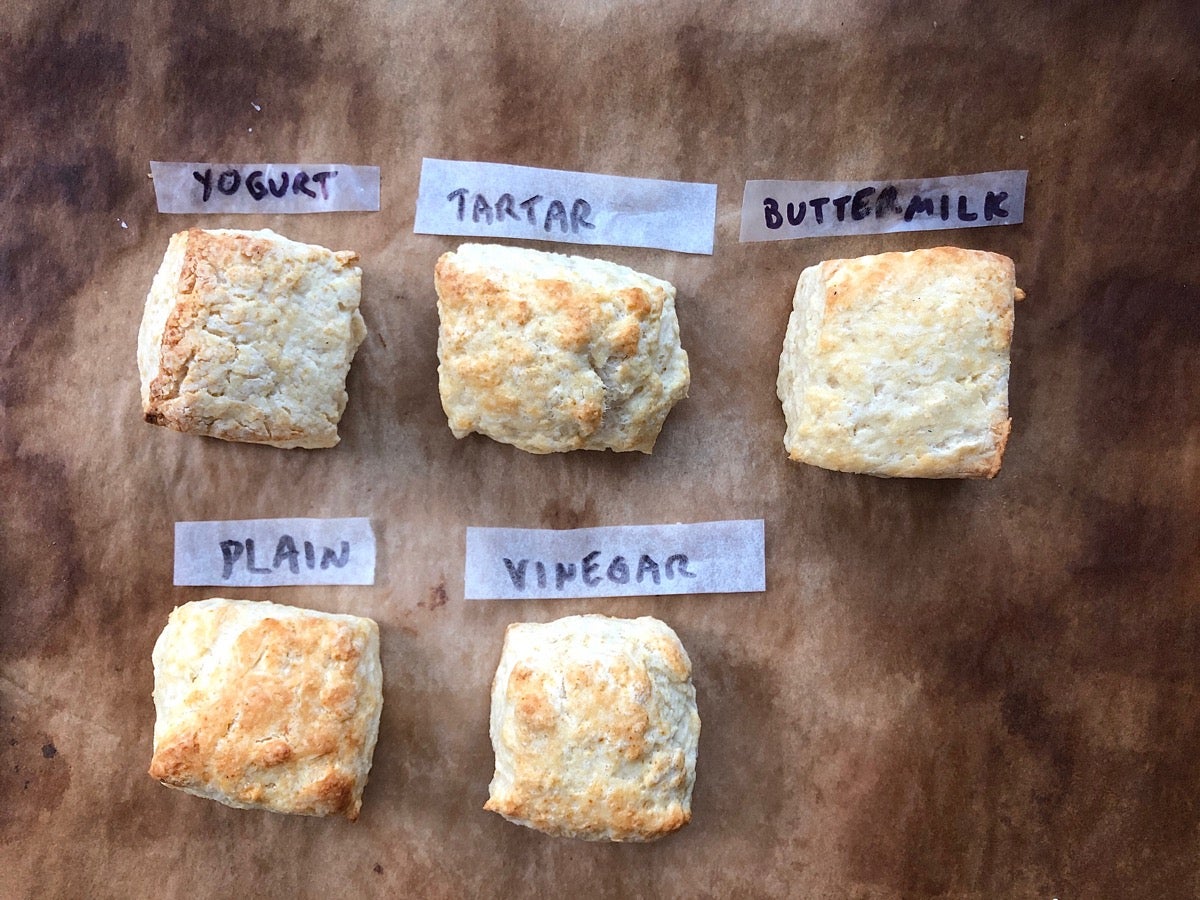
Plain yogurt substitute for buttermilk in baking offers a simple solution. It helps to achieve tender baked goods with a tangy flavor, ideal for many recipes.
Achieving the perfect texture and flavor in baked goods often hinges on the right ingredients. This is especially true for recipes calling for buttermilk, a liquid known for its tenderizing qualities and subtle tang. However, buttermilk isn’t always readily available, prompting a search for reliable alternatives.
A readily available and effective substitution involves plain yogurt. The yogurts acidity mimics that of buttermilk, helping to break down gluten in flour and resulting in a more tender crumb. This substitution contributes moisture to the final product and activates baking soda, providing lift and lightness.
The practice of using cultured dairy products in baking dates back centuries, with variations found across numerous culinary traditions. The acidity inherent in these products plays a crucial role in leavening and flavor development, and the use of yogurt as a buttermilk alternative reflects an understanding of these fundamental principles.
For home cooks, understanding this simple substitution can be a game changer. Whether faced with an empty refrigerator or simply seeking a more convenient option, plain yogurt offers a reliable way to maintain the quality and flavor of favorite recipes. It’s a particularly useful trick for spontaneous baking or when precise measurements are not critical.
While plain yogurt works well, variations exist depending on the desired outcome. Some recipes benefit from thinning the yogurt with a bit of milk to achieve a consistency closer to buttermilk. Others suggest adding a touch of lemon juice to enhance the tanginess, effectively boosting the flavor profile.
The following exploration details the method for effectively using plain yogurt as a buttermilk alternative in baking, ensuring delightful results every time. By mastering this technique, anyone can confidently create tender, flavorful baked goods without the need for a special trip to the store.
Acidity
Acidity serves as a cornerstone when employing plain yogurt as a stand-in for buttermilk in baking. Its presence directly influences the texture and rise of the final product, making it a critical element for consideration.
-
Gluten Tenderization
The mild acidity found in plain yogurt works to gently relax gluten strands within the flour. This weakening results in baked goods that boast a softer, more delicate crumb, preventing a tough or chewy texture. Buttermilk operates similarly, so a yogurt with sufficient acidity effectively mimics this action.
-
Baking Soda Activation
The leavening process in many baked goods relies on the reaction between an acid and a base. Baking soda, the base, requires an acidic component to trigger the release of carbon dioxide, which creates air pockets and causes the batter to rise. Yogurt’s acidity readily fulfills this role, promoting a light and airy final product.
-
Flavor Enhancement
Beyond its functional role, acidity also contributes a subtle tang to baked goods. This slight sourness balances sweetness, adding complexity and depth to the flavor profile. The acidity in yogurt mirrors the distinctive tang of buttermilk, preventing a bland or one-dimensional taste.
-
pH Level Considerations
Different varieties of plain yogurt can exhibit varying pH levels, influencing the extent of their acidic impact. Strained yogurts like Greek yogurt, while often thicker and richer, may require slight adjustments to ensure adequate leavening and tenderization. A small addition of lemon juice can augment the acidity if needed.
In essence, acidity is an indispensable consideration for anyone seeking to successfully use plain yogurt as a buttermilk substitute. By understanding its roles in gluten tenderization, baking soda activation, and flavor enhancement, bakers can confidently create tender, flavorful treats, even without buttermilk on hand. Careful attention to pH levels and potential adjustments further refines this technique, unlocking consistent and delectable results.
Consistency
Consistency emerges as a pivotal factor when employing plain yogurt as a replacement for buttermilk in baking. It directly influences the batter’s hydration levels and, consequently, the baked goods final texture. A yogurt that’s too thick can lead to dry, dense results, while one that’s too thin might result in a batter that spreads excessively.
The thickness of plain yogurt varies across different brands and styles, particularly with the advent of Greek yogurt, known for its significantly reduced liquid content. When using thicker yogurt varieties, a baker must often introduce additional liquidsuch as milk or waterto mimic buttermilk’s more fluid consistency. This dilution ensures that the wet-to-dry ingredient ratio remains balanced, preserving the intended structure and crumb of the baked item.
Ultimately, the goal is to achieve a batter consistency that mirrors that obtained when using buttermilk. This often requires a discerning eye and a touch of experimentation. By carefully adjusting the liquid content to compensate for variations in yogurt thickness, home bakers can reliably achieve tender, moist, and flavorful results, even without the presence of traditional buttermilk. Mastering this adjustment translates to consistent success and flexibility in the kitchen.
Flavor Profile
Exploring the flavor contributions of plain yogurt as a buttermilk alternative unveils a subtle yet significant dimension in baking. The gentle tang it imparts can transform familiar recipes.
-
Subtle Tanginess
Plain yogurt introduces a delicate sour note, similar to buttermilk but often milder. This tanginess enlivens sweet treats, providing a counterpoint to sugar and preventing cloying sweetness. The result is a more balanced and complex flavor experience, where no single element dominates.
-
Enhancement of Other Flavors
The slight acidity of plain yogurt can actually amplify other flavor compounds present in a recipe. It has the ability to make vanilla extract seem more pronounced, chocolate taste richer, and fruit flavors appear brighter. This synergistic effect elevates the overall sensory impact of the baked good.
-
Customization with Additions
The inherent neutrality of plain yogurt offers a blank canvas for flavor customization. A baker can introduce additions like lemon zest, a splash of vanilla extract, or even a pinch of ground spices to tailor the flavor profile to a specific recipe or personal preference. This adaptability allows for fine-tuning the end result.
-
Impact on Savory Dishes
The application extends beyond desserts; plain yogurt can enhance savory baked goods as well. The gentle tang can bring depth to cornbread, biscuits, or scones, complementing flavors such as cheese, herbs, or spices. In these applications, it contributes moisture and a subtle complexity that elevates the dish.
The overall impact on flavor is a testament to plain yogurts versatility as a buttermilk alternative. Understanding how it interacts with other ingredients allows bakers to fine-tune their recipes, achieving a delightful balance of sweetness, tanginess, and enhanced flavors. Whether creating a simple muffin or an elaborate cake, this knowledge empowers the baker to craft exceptional results.
Baking Soda Activation
The interaction between baking soda and the acidic nature of a plain yogurt substitute forms the heart of leavening in many baked recipes. Baking soda, an alkaline compound, requires an acid to trigger its gas-releasing properties. The lactic acid present in yogurt readily fulfills this role, resulting in a chemical reaction that produces carbon dioxide. These gas bubbles become trapped within the batter, causing it to rise and creating the light, airy texture that defines many successful baked goods.
Consider, for example, a simple pancake recipe. Without an acidic component like yogurt, the baking soda would remain inert, yielding flat, dense pancakes. However, when plain yogurt is incorporated, it activates the baking soda, generating the necessary lift for fluffy, golden-brown pancakes. The degree of activation is directly proportional to the amount of acid present; therefore, using an appropriate amount of yogurt is crucial for achieving the desired rise.
Understanding this interaction is key to successfully substituting plain yogurt for buttermilk. While other factors such as consistency and flavor contribute to the overall outcome, it is the baking soda activation that fundamentally determines the texture of the final product. By carefully balancing the amount of baking soda with the acidity of the yogurt, bakers can ensure a well-leavened and delightful baked good.
Tip Metadata
- Category: Ingredient Substitutions
Time & Effort
- Estimated Time: 2 minutes
- Skill Level: Beginner
- Impact: Provides a readily available substitute, maintaining moisture and tang in recipes.
Tools or Materials Needed
- Plain Yogurt (full-fat or low-fat)
- Milk or Water (optional, for thinning)
- Measuring Spoons or Cups
Step-by-Step Guide
-
Step 1: Measure the Yogurt
Measure the amount of plain yogurt required to replace the buttermilk specified in the recipe. Use the same quantity as the buttermilk indicated. -
Step 2: Thin if Needed (Optional)
If using thick Greek yogurt, thin it with milk or water until it reaches a consistency similar to buttermilk. A ratio of approximately 3 parts yogurt to 1 part liquid is generally effective. -
Step 3: Incorporate into Recipe
Add the measured (and thinned, if necessary) plain yogurt to the recipe as directed, in place of the buttermilk. Proceed with the recipe as usual.
When substituting plain yogurt for buttermilk, it’s important to use unsweetened, unflavored yogurt to avoid altering the recipe’s intended flavor profile. Overmixing the batter can lead to a tough texture, so mix only until the ingredients are just combined. Common mistake to avoid is assuming all yogurts are equal in thickness, adjust liquid accordingly.
Pro Tip or Variation
For an extra tangy flavor, add teaspoon of lemon juice or white vinegar to each cup of plain yogurt before incorporating it into the recipe. This further enhances the acidity and replicates the characteristic tang of buttermilk.
Best Practices & Expert Tips
- Use Plain, Unsweetened Yogurt Ensure the yogurt is plain and unsweetened to avoid unintended flavor alterations. Flavored or sweetened yogurts can introduce unwanted sweetness or artificial tastes.
- Match Consistency When Possible If using thick Greek yogurt, thin it with milk or water to mimic buttermilk’s consistency. This prevents dry or dense baked goods.
- Incorporate Gently Overmixing the batter after adding the yogurt can develop gluten and result in a tough texture. Mix only until just combined.
- Consider Fat Content Full-fat yogurt will contribute more richness and moisture than low-fat or non-fat varieties. Adjust other fat ingredients accordingly.
Variations & Common Mistakes
- Sour Cream Substitution Sour cream can also be used as a substitute, but it is generally thicker and tangier than plain yogurt. Use slightly less sour cream or thin it with milk.
- Kefir as Alternative Kefir, a fermented milk drink, offers a similar tangy flavor and thin consistency, making it a suitable direct replacement for buttermilk.
- Over-reliance on Sweeteners Do not compensate for the lack of buttermilk flavor by adding excessive amounts of sugar. Adjust sweeteners minimally, if at all.
- Ignoring Expiration Dates Using expired yogurt may lead to off-flavors or improper leavening. Always use fresh yogurt for best results.
- Assuming All Yogurts Are The Same Yogurt brands can vary in acidity and thickness; observe the batter’s consistency and adjust liquids accordingly.
Summary & Final Thoughts
Discovering the ease and effectiveness of using plain yogurt as a buttermilk substitute can truly transform your baking adventures. It offers a readily available, reliable way to ensure your baked goods are tender, flavorful, and perfectly leavened.
Whether you’re whipping up a batch of fluffy pancakes on a Sunday morning or baking a decadent cake for a special occasion, this tip is incredibly versatile. It’s applicable across a wide range of recipes, from quick breads to muffins, making it an invaluable tool for any home cook, regardless of skill level.
So, why not give it a try? Embrace the simplicity and convenience of this substitution and experience the joy of creating delicious, homemade treats. We encourage you to experiment, share your own tips, and discover the endless possibilities this simple technique unlocks. You might just find that you prefer it!
Happy cooking!
Images References :
Image used for illustration purposes only. All rights belong to their respective owners.


